
July already.
The hottest June on record (by a distance) followed one of the driest ever Mays. And, oh how the landscape responds. Cracked earth and stunted crops. Blackened nettles and trees already wearing their early autumn clothes.
Insect numbers have improved from the cold spring, but such was the paucity then that the number now might well be distorted. It certainly feels closer to normal, but normal is ever shifting – a flicking baseline switch.
And I remind myself that there is nothing unusual to this, in the greater scheme. Outside of my own small word (where it has been drier than almost anywhere else) and my own sense of time. The losers now may well bounce back. Will almost certainly bounce back. We strive to dispel any threat of fluctuation to our own species so panic when we see it elsewhere. The spotted flycatchers have gone from the village, but the sneer of greenfinches has returned. As have the house martins, although their new, later arrival coincided with the end of the rain and made nest-building impossible.
In fact, there is an interesting observation. In years past when the ground has hardened in drought, I have kept the puddle at the end of the lane replenished with water – drawn straight from the rainfall-gathered reservoir that feeds the outside taps. This year, I’ve seen the martins (and swallows) subsequently drop in to collect from what has been a favourite mud-spot, but leave without getting their beaks dirty. The mud is different now. The run-off that collects in that spot now seems more granular and less sticky. The water sits but doesn’t soak in as it did. Perhaps a change of practice in the fields on the hill have altered the make-up, or perhaps all the good stuff has been washed down and used.

Maybe I read too much into nothing and worry about things that I can’t do a lot about.
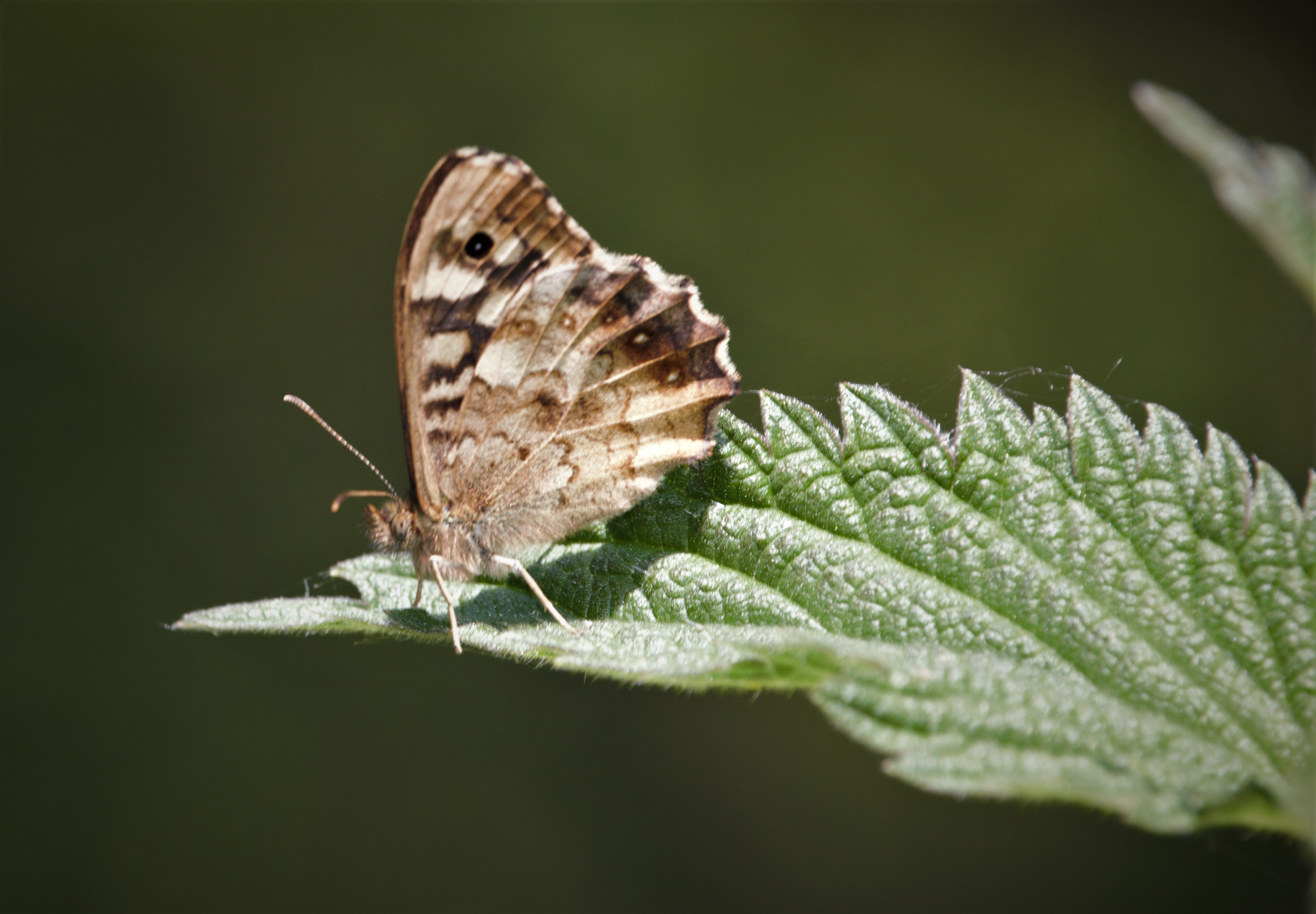
So a positive spin to finish on. The butterflies. And that they have had a rollercoaster year is undeniable. The spring species barely flew. The orange-tips and nettle lovers, first flights of blues (holly and common), wall brown and small copper. The early skippers – dingy and grizzled. Those final two names rather symbolic of the flight of all.
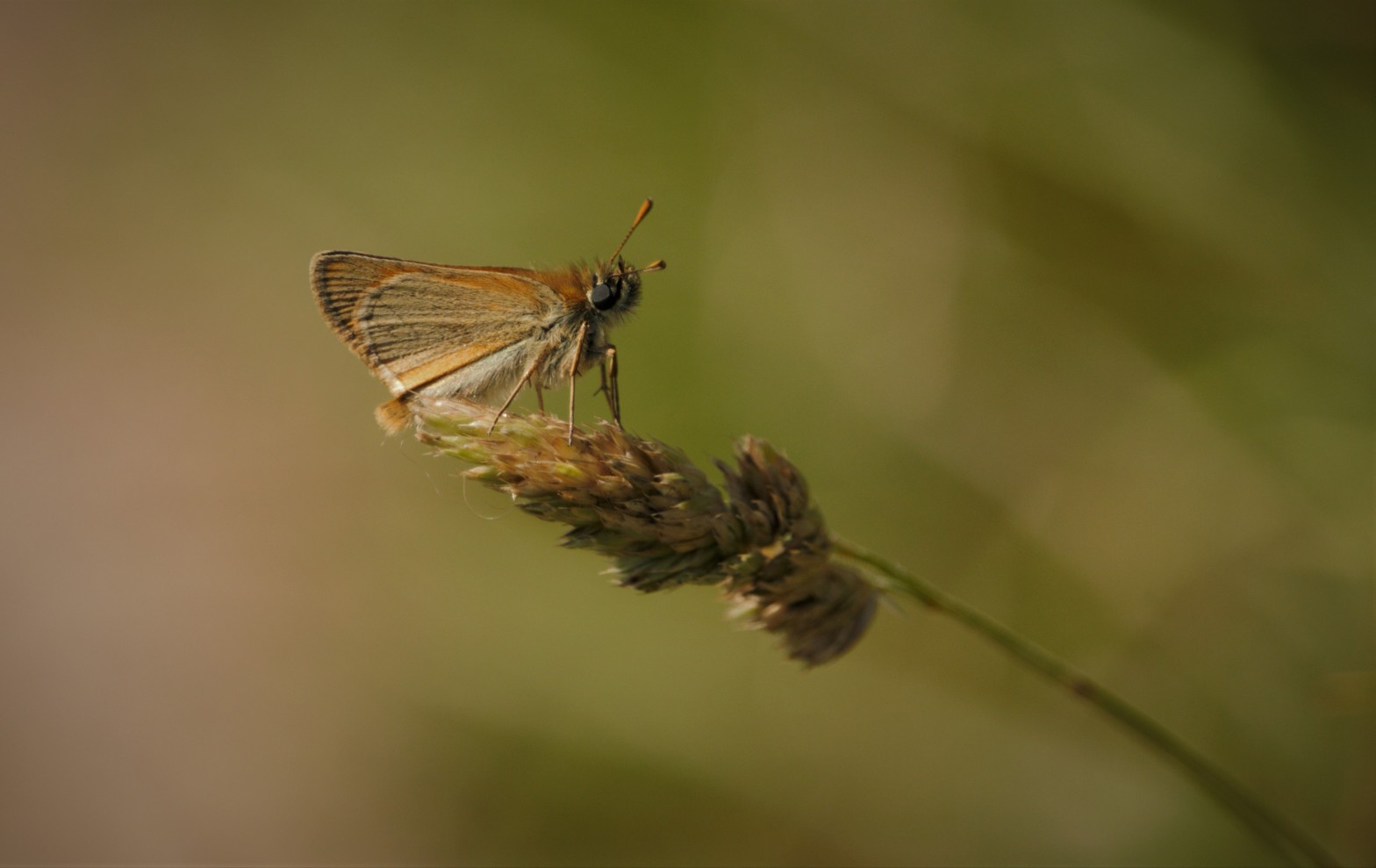
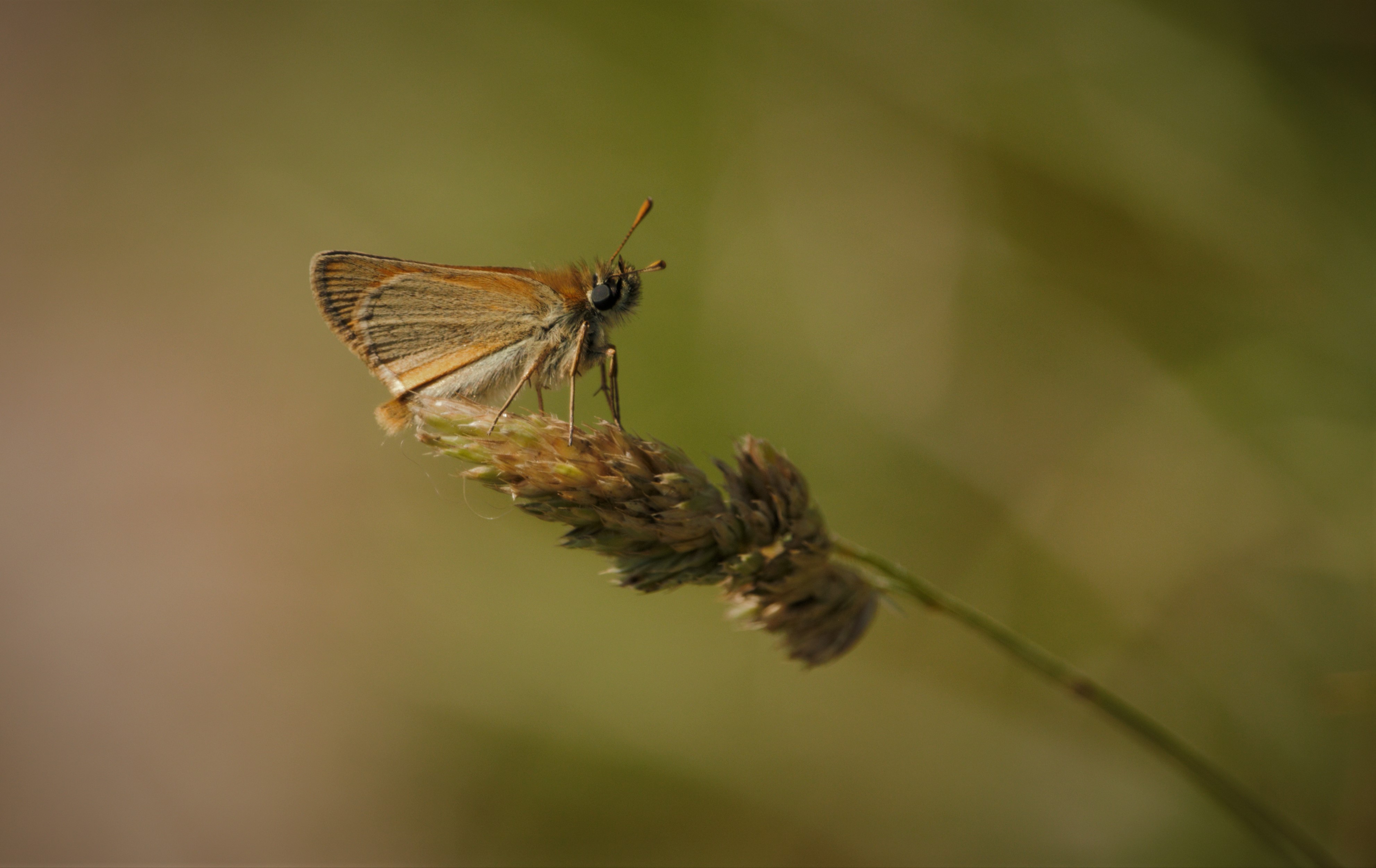
But summer has exploded. A short stroll into the pasture on the ridge opposite a true event. Marbled white, meadow brown, ringlets, gatekeepers, large whites and 3 species of skipper. Plus the last few burnets. The fluctuation favouring the marbled whites in particular. The best number I can recall in 12 years here. And Essex skippers, not even noted in these folds (by myself or anyone) until three years ago are matching the small skipper in number.
There is always some good among the bad. I must remember to keep looking for it.
 Kevin Parr